
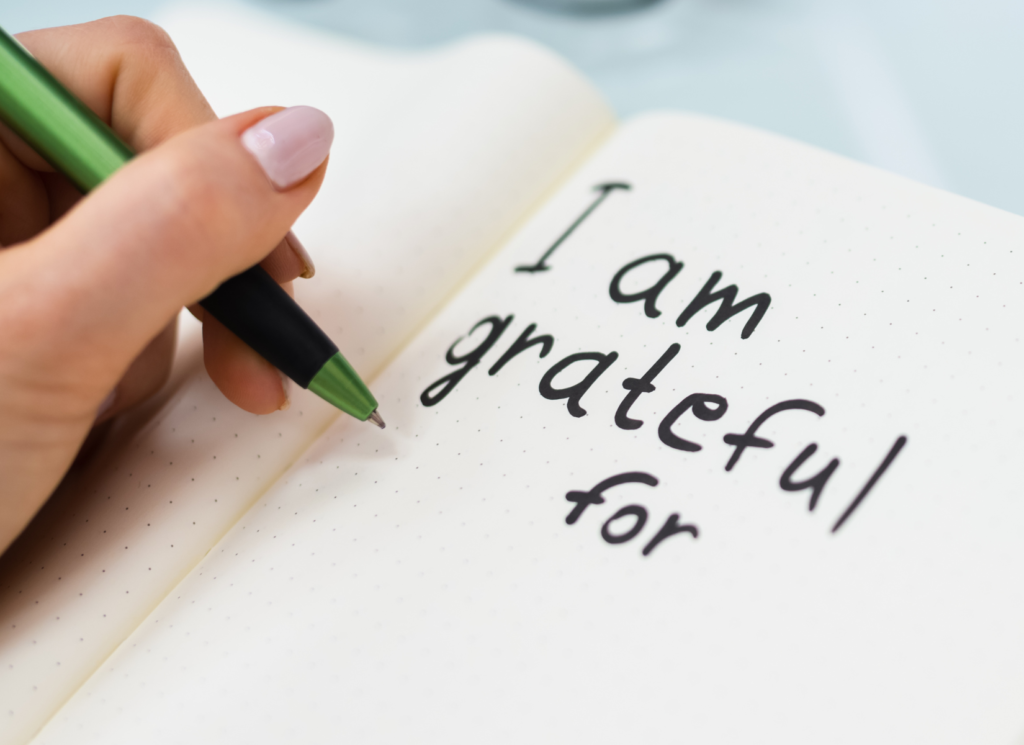
I don’t know about you, but sometimes life can feel a little overwhelming. Whether it’s work stress, family drama, or just the never-ending to-do list, we all have those days when we feel mentally drained. And in those moments, it’s easy to forget how important it is to nurture our mental wellness. But what if I told you there’s a simple (and honestly kind of magical) tool you already have that can help you feel better—gratitude?
I’m not talking about the “thanks for this cup of coffee” type of gratitude, although hey, that’s a good place to start. I mean really practicing gratitude and actively choosing to focus on the good things in your life, even when things feel tough. And trust me, it works wonders.
Why Gratitude is So Powerful for Your Mental Wellness
You’ve probably heard people say that gratitude is good for the soul, but did you know it’s also incredibly good for your mental health? Research shows that practicing gratitude can lower stress, improve mood, and even reduce symptoms of anxiety and depression. It’s like a mental reset button for your brain, helping you focus on the positives instead of getting stuck in a cycle of negative thinking.
And let’s be honest, our brains tend to default to the negative. It’s just how we’re wired. We notice what’s wrong, what’s missing, what’s causing stress. But gratitude helps shift that focus. It trains our minds to appreciate what’s going right. And the best part? It doesn’t have to be big or complicated.
How to Make Gratitude Part of Your Daily Routine
If you’re feeling skeptical, don’t worry, I was too! At first, it seemed like such a small thing to make a difference. But after a week or two of actively practicing gratitude, I started to notice a change. I felt calmer, more positive, and less bogged down by the daily grind. So, how do you get started?
Here are a few simple (yet powerful) ways to incorporate gratitude into your life:
1. Start a Gratitude Journal
Grab a notebook, a journal, or even a piece of scrap paper and jot down three things you’re grateful for each day. It doesn’t have to be anything big—sometimes I write things like “a warm cup of tea” or “sunshine on my walk.” These little things matter because they remind us of the beauty in everyday moments.
2. Morning Gratitude Practice
Before you even get out of bed, take a few seconds to think about three things you’re thankful for. It could be your family, your health, or just the fact that you have a cozy bed to wake up in. Starting your day with a gratitude practice sets a positive tone and helps you approach challenges with a calm, centered mindset.
3. Gratitude Jar
This one is a fun idea—create a gratitude jar where you write down something you’re thankful for each day on a little slip of paper. At the end of the week or month, read through the notes to remind yourself of all the good things you’ve experienced. It’s like a physical reminder of the abundance in your life.
4. Thank-You Notes or Texts
Take a minute to send a quick thank-you message to someone who made a positive impact on your day. Maybe it’s a friend who listened to you vent, a coworker who made your day easier, or a family member who cooked a meal for you. A little gratitude goes a long way—and it can help you feel more connected to the people around you.
5. Gratitude Walks
This one is my personal favorite. When you’re out for a walk, take a moment to pause and think about the things you’re thankful for. It could be the beauty of nature, the fresh air, or the fact that your body is strong enough to move. Gratitude doesn’t always have to be about the big life events, it can be about appreciating the little things that bring joy.
The Mental Wellness Benefits of Gratitude
Practicing gratitude has a huge impact on mental wellness, and I think it’s because it shifts our mindset. When we focus on the positive, we train ourselves to look for blessings, even when life isn’t perfect. Here are a few benefits of gratitude that you might notice as you start to practice it more:
- Less Stress: When you take time to focus on gratitude, your body responds by lowering your stress levels. You’re less likely to get caught up in the chaos of everyday life.
- Improved Mood: Gratitude helps shift your thinking from “what’s wrong?” to “what’s going right?” It can improve your overall sense of well-being and increase feelings of happiness.
- Better Sleep: Studies have shown that practicing gratitude before bed can improve sleep quality. It’s like your mind is at peace, allowing you to rest easier.
- Enhanced Relationships: When you express gratitude to others, it strengthens your relationships. People appreciate being acknowledged, and it fosters a deeper connection.
- Stronger Resilience: Gratitude helps you bounce back from difficult situations. When you’re thankful for the small victories in life, you build emotional resilience to face bigger challenges.
A Bible Verse to Reflect On:
One of my favorite verses that really captures the heart of gratitude comes from 1 Thessalonians 5:16-18:
“Rejoice always, pray continually, give thanks in all circumstances; for this is God’s will for you in Christ Jesus.”
It’s a beautiful reminder that, no matter what’s going on in our lives, gratitude is always part of God’s plan for us. Even when life is challenging, we can choose to give thanks. Practicing gratitude doesn’t mean ignoring the tough stuff, but it’s about choosing to focus on the goodness, love, and grace that are still present in our lives.
Making Gratitude Your New Normal
At the end of the day, gratitude is about training your heart and mind to appreciate the beauty that already exists in your life. You don’t need to wait for life to be perfect to start practicing gratitude. Start with where you are, with what you have, and watch how it transforms your mental wellness.
So I challenge you to start today. Take a moment, right now, to think of one thing you’re grateful for. Just one. I bet it’ll bring a smile to your face and a little peace to your heart. You are doing great, and there is so much good in your life, even when it doesn’t feel like it.
Take a deep breath, practice gratitude, and remember—you are enough, right where you are.
With love and gratitude,
Julie